If you’ve spent any time in an elementary school classroom, scrolling Pinterest, or browsing teacher resources, you’ve probably seen the phrase:
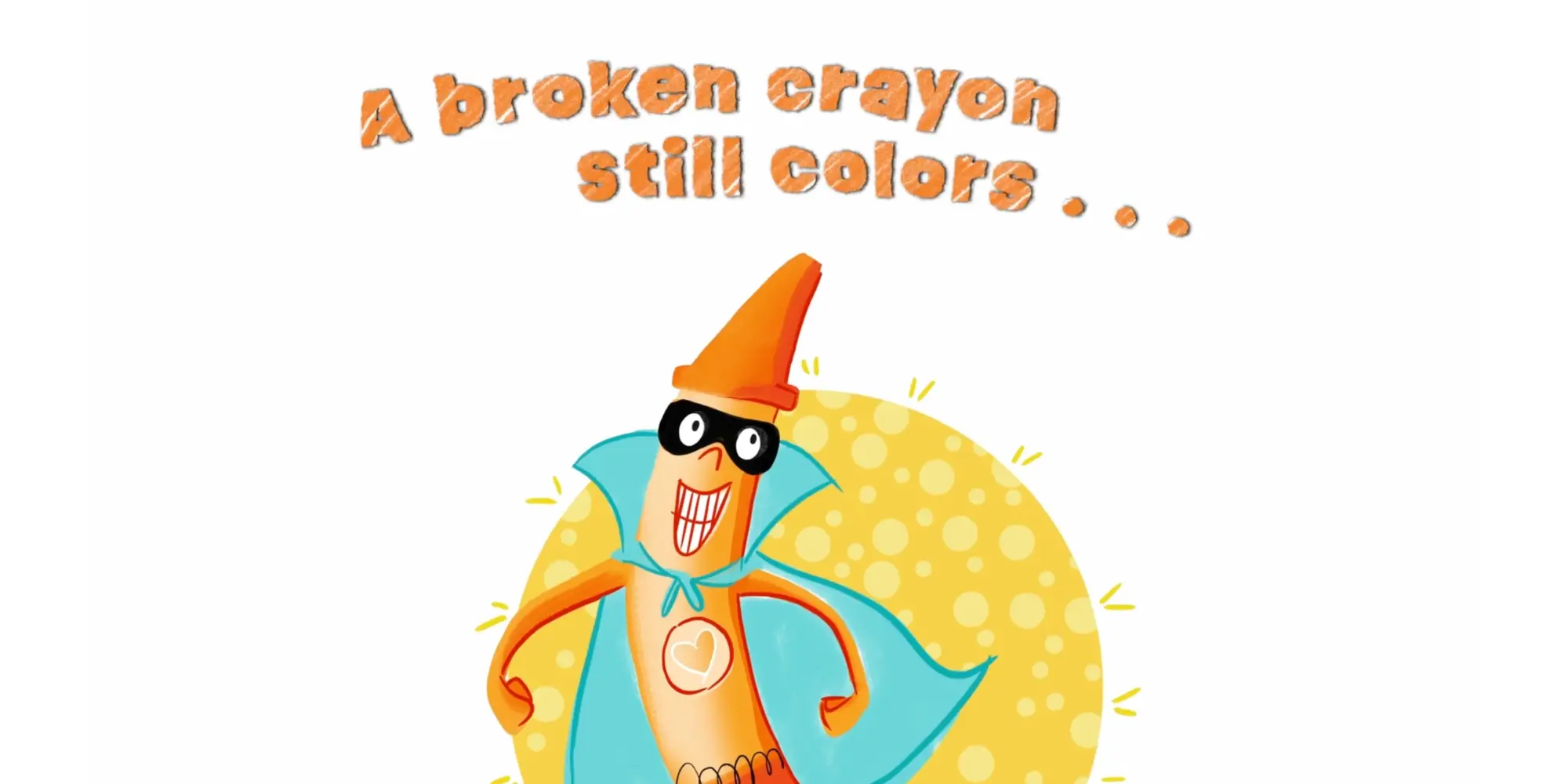
“Broken crayons still color.”
It’s simple. It’s visual. It’s powerful.
But what is the broken crayons still color meaning — and why has it resonated so deeply with parents, teachers, and kids?
Let’s break it down.
The Definition of the Phrase
At its core, the broken crayons still color quote is a metaphor.
A crayon may snap in half.
It may look damaged.
It may not look the way it once did.
But it still works.
It still creates.
It still adds color.
It still has purpose.
The broken crayons still color meaning is this:
Even when something feels imperfect or broken, it still has value.
For children especially, this message is powerful. Kids face disappointment, mistakes, friendship struggles, academic challenges, and moments of self-doubt. The phrase gently reminds them:
You are still capable.
You still matter.
You still have something beautiful to offer.
The Emotional Context Behind the Phrase
The reason this saying has taken off isn’t just because it’s clever.
It’s because it speaks to a universal experience.
Every child — and every adult — has moments where they feel:
The broken crayons still color quote gives language to resilience without being heavy-handed. It doesn’t deny that something broke. It doesn’t pretend everything is perfect.
It simply says: You can still create something beautiful.
That emotional nuance is what makes the phrase so meaningful for both homes and schools.
Why It Connects So Deeply With Kids
The visual is concrete. Kids understand crayons.
They’ve snapped one in half before.
They’ve peeled the wrapper off.
They’ve seen the small pieces at the bottom of the crayon box.
So when we talk about broken crayons still color for kids, the metaphor lands instantly.
It’s tangible.
It’s relatable.
It’s hopeful.
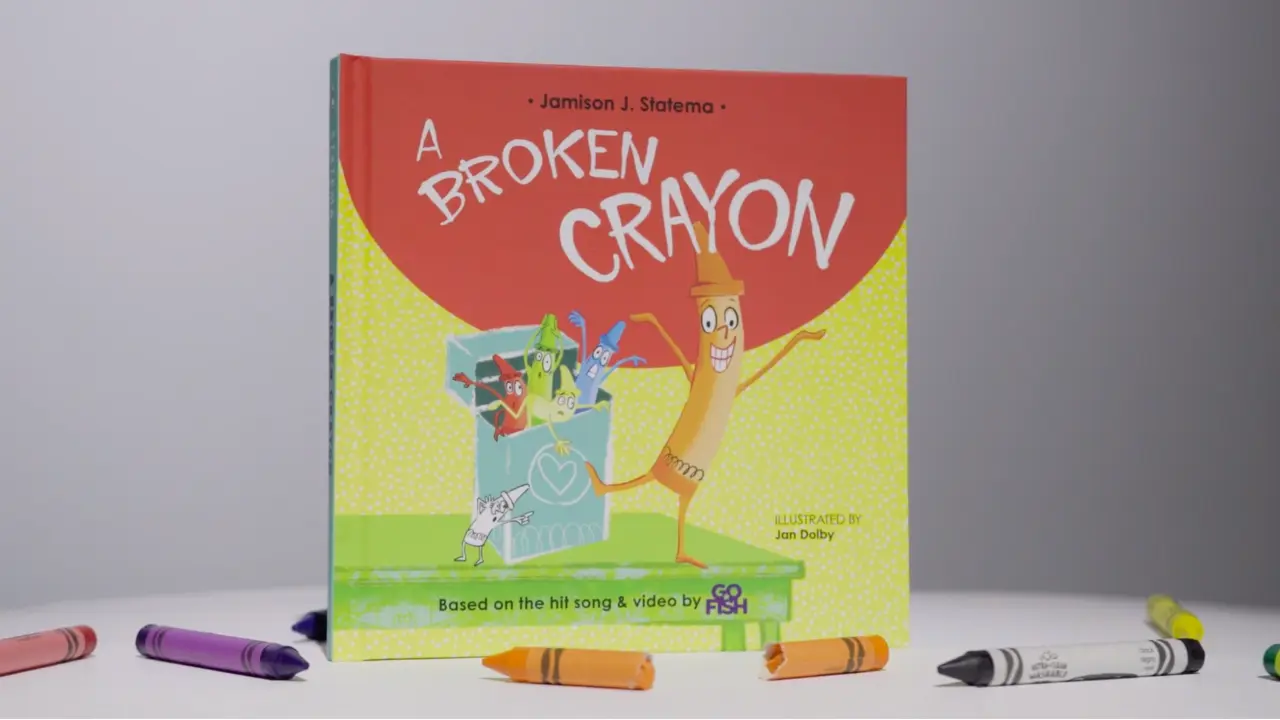
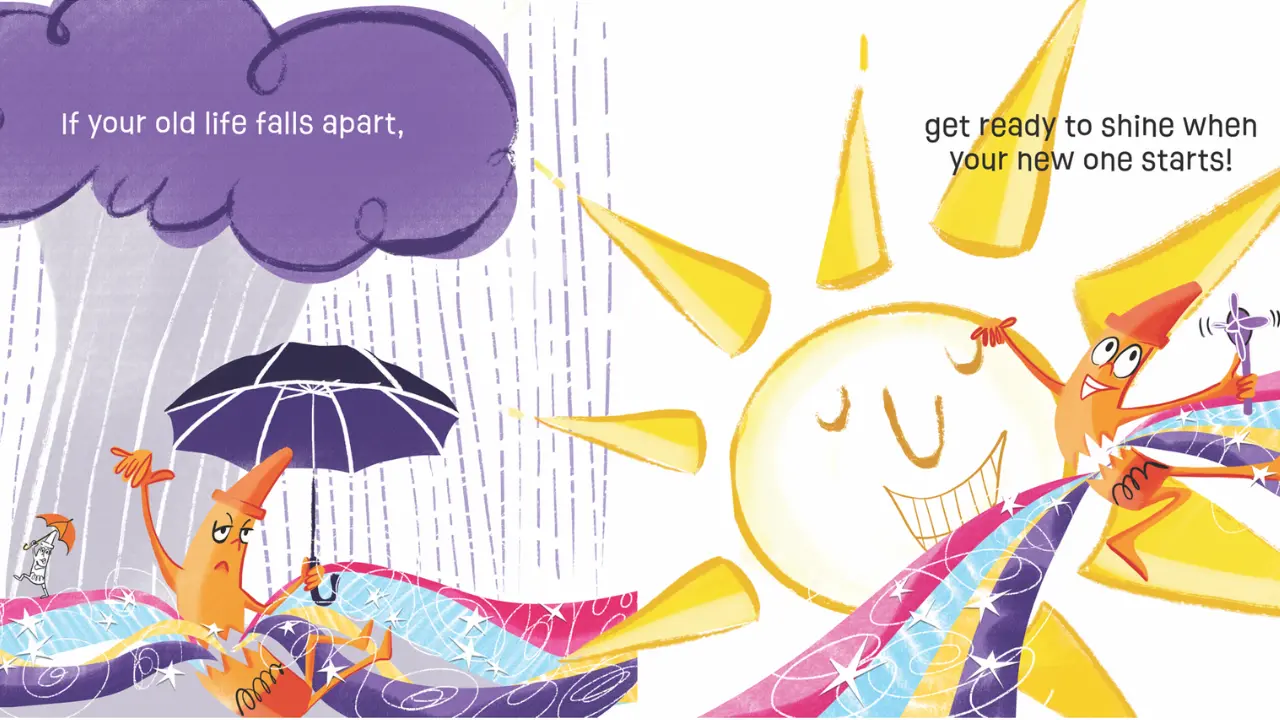
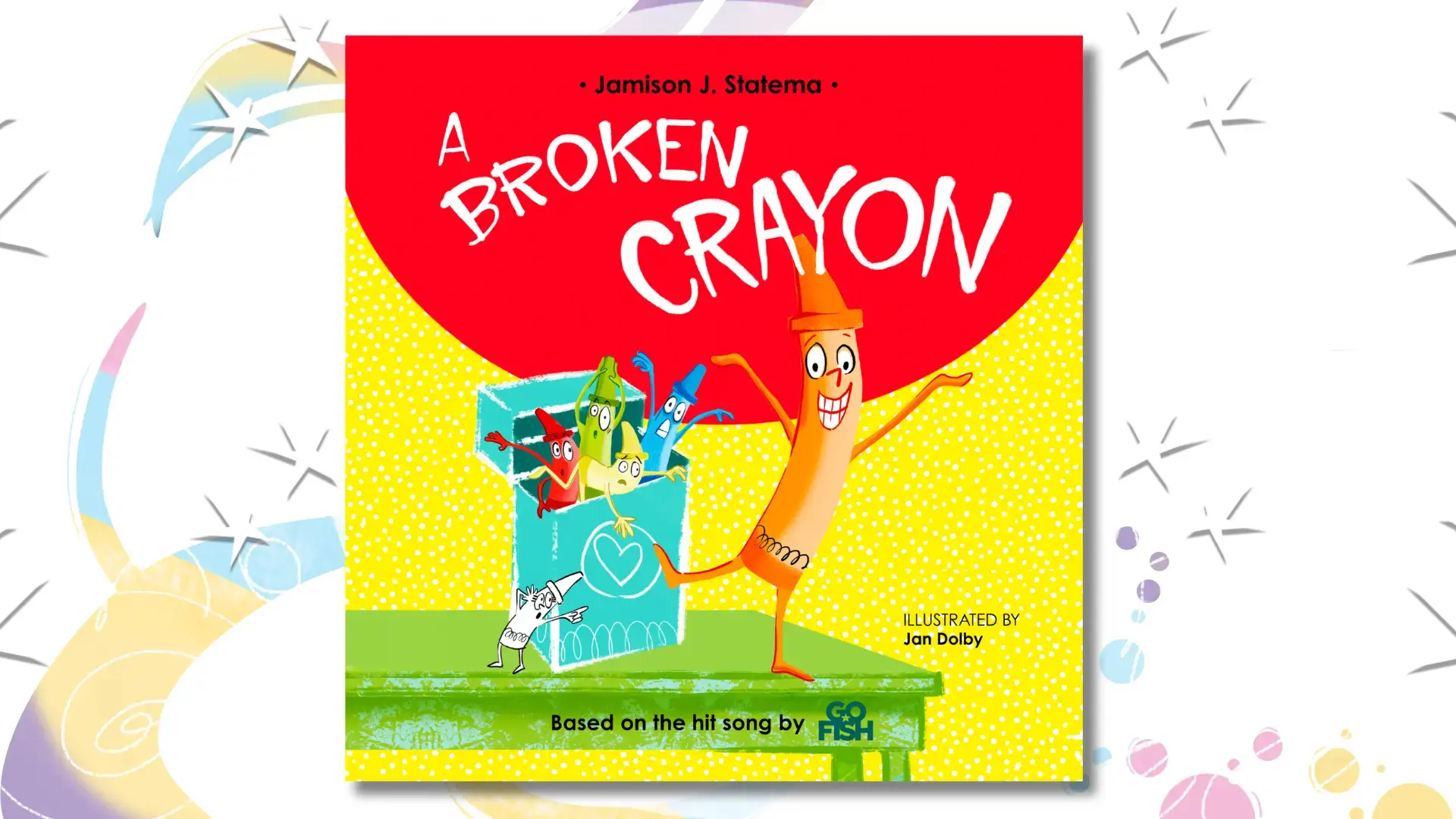
That’s exactly why the message became the foundation for A Broken Crayon — a broken crayons still color children’s book that helps children see their own value through storytelling, music, and engaging discussion.
The book takes the emotional truth of the phrase and brings it to life in a way that feels safe, empowering, and age-appropriate.
The Classroom SEL Tie-In
One of the biggest reasons the phrase continues to grow in popularity is its alignment with Social Emotional Learning (SEL).
In a broken crayons still color classroom, the message supports:
Teachers are constantly helping students understand that failure isn’t final — it’s part of learning.
The phrase becomes a visual anchor:
When a math test doesn’t go well.
When a friendship feels hard.
When a child feels embarrassed after making a mistake.
“Broken crayons still color.”
That’s why the message works so beautifully during read-alouds, classroom discussions, and reflection time. It naturally opens the door for questions like:
If you’re looking for a multimedia way to reinforce the lesson, the animated A Broken Crayon music video brings the message to life through song and visuals, helping students internalize the theme in a different way.
From Phrase to Story
While the phrase itself is widely shared, stories are what help children internalize ideas.
That’s where A Broken Crayon comes in.
The book was created to expand the idea behind the quote and turn it into a narrative children can see themselves in. It’s intentionally written to support both home and school environments — making it ideal for parents, counselors, and educators alike.
Schools and libraries can also invite the author for interactive assemblies and read-aloud events that blend storytelling, music, and SEL-based discussion. You can learn more about those opportunities here:
👉 Author Visits & School Programs
So… What Does “Broken Crayons Still Color” Really Mean?
It means:
You are not defined by your mistakes.
You are not disqualified by your struggles.
You are not finished because something feels broken.
You still have purpose.
You still have creativity.
You still bring color.
That’s the heart of the broken crayons still color meaning — and why the message continues to resonate in homes and classrooms across the country.
And sometimes, all it takes is one small crayon — even a broken one — to create something beautiful.